
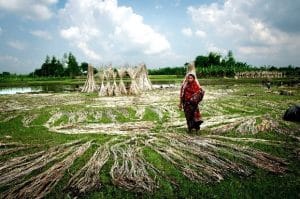
In Gazipur, Bangladesh, where jute has long been part of the country’s cultural and economic fabric, Jute Land Bangladesh saw an opportunity to do more than create handcrafted products. The women-owned and women-led enterprise set out to bring Bangladesh’s rich tradition of craftsmanship, sustainability, and innovation to customers around the world.
Yet turning that vision into international success was not easy.
Although Jute Land Bangladesh had already begun exporting, breaking into highly competitive markets such as Canada presented a new challenge. As a relatively new supplier, the company faced difficulties establishing credibility and gaining buyers’ confidence in a market with countless sourcing options.
As Managing Director Protima Chakraborty explains: “Before working with TFO Canada, one of our biggest challenges was entering and building trust in the Canadian market. As a new supplier, it was difficult to gain buyers’ confidence and establish credibility.”
To help overcome these barriers, Jute Land Bangladesh participated in the Women in Trade for Inclusive and Sustainable Growth (WIT) project, a trade facilitation initiative implemented by TFO Canada from 2019 to 2025. Through trade fairs and business networking activities, the company gained opportunities to engage directly with international buyers and better understand market expectations.
These experiences exposed Jute Land Bangladesh to global craft trends, consumer preferences, and international requirements, helping the company better align its products with market demand and strengthen its positioning in export markets.
Jute Land Bangladesh’s strength lies in its ability to combine traditional craftsmanship with contemporary design and international market requirements. Each product is handcrafted with a focus on quality, sustainability, and authenticity, qualities that increasingly resonate with consumers seeking handmade and ethically produced goods.
Participation in international trade fairs, including NY NOW in New York, provided valuable exposure to buyers and helped the company deepen its understanding of evolving consumer preferences. Armed with new market knowledge, Jute Land Bangladesh diversified its product range, strengthened its market positioning, and expanded its international presence.
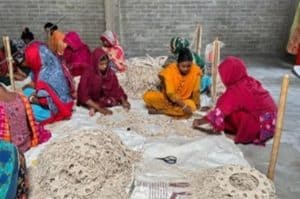
Today, Jute Land Bangladesh exports to Canada, the United States, and Europe, serving customers who value handcrafted products that blend traditional techniques with contemporary design. Since working with TFO Canada, the company has increased exports by approximately 20 percent, entered new markets, established partnerships with new buyers, and helped create and sustain more than 1,500 jobs.
Recent achievements include receiving an Outstanding Exhibitor Award and forming a strategic partnership with four entrepreneurs to expand market opportunities and better serve international customers.
For Jute Land Bangladesh, success is measured not only by sales or new markets, but also by the opportunities it creates for its community. As the business has grown, so too have opportunities for artisans and workers throughout its value chain.
Today, the company stands as an example of how SMEs can transform local traditions into global opportunities by combining quality products, a distinctive value proposition, and a deep commitment to sustainability and craftsmanship.
As Protima reflects:
“Over the past five years, our business has evolved from a small local enterprise into a globally connected brand, expanding into international markets, developing innovative products, and creating meaningful employment opportunities.“
Jute Land Bangladesh journey demonstrates that export success goes beyond meeting technical requirements. In increasingly competitive international markets, buyers are also looking for authenticity, quality, and products with a story behind them. By building on its heritage while responding to evolving market demands, Jute Land Bangladesh has transformed traditional craftsmanship into a globally connected brand, demonstrating how SMEs can turn local strengths into international opportunities.